Dry Storage in Jeddah: 7 Things Businesses Must Know in 2026
Jeddah is a trade gateway, and where goods move, goods must wait. Choosing the right dry storage in Jeddah is one of the quietest yet most important decisions an importer, retailer, or distributor makes. Get it right and your inventory stays pristine; get it wrong and humidity does the damage no insurance policy fully covers.
This 2026 guide takes a moisture-first look at dry warehousing on the Red Sea coast. We explain what dry storage really means, how it differs from ambient space, and the seven practical factors that separate a reliable facility from a risky one.
What Is Dry Storage, Really?
Dry storage is warehouse space engineered to keep goods in a low-moisture, stable environment without refrigeration. The emphasis is on humidity control and protection from heat rather than on cooling. It suits any product that spoils through dampness, oxidation, or pest exposure rather than through temperature alone.
Think packaged foods, grains, textiles, paper products, electronics, and many building materials. These items do not need a fridge, but they absolutely need a dry, pest-free roof over their heads, especially in a humid port city.
The Humidity Problem on the Red Sea Coast
Coastal humidity is the silent profit-killer. Salt-laden air accelerates corrosion on metal parts, softens cardboard, and encourages mould on organic goods. A warehouse that merely blocks the sun does nothing about the moisture hanging in the air.
That is why serious operators treat humidity as a measurable, managed variable. Dehumidification, sealed envelopes, and airflow design matter as much as the temperature reading on the wall.
Dry Storage vs Ambient Storage: Know the Difference
These two terms are often used loosely, but they solve overlapping and distinct problems. Understanding the overlap helps you specify exactly what you need from a provider.
| Attribute | Dry Storage | Ambient Storage |
|---|---|---|
| Primary focus | Low humidity, moisture control | Stable moderate temperature |
| Typical temperature | Not actively cooled | 15°C – 25°C |
| Ideal goods | Grains, textiles, electronics, paper | Cosmetics, canned food, beverages |
| Key risk managed | Mould, corrosion, pests | Heat-driven degradation |
| Energy profile | Low to moderate | Moderate |
In practice, the best facilities blend both. When you need climate-stable space in the city, a quality Dry Storage in Jeddah partner protects against moisture, while a well-run Ambient Storage in Jeddah option adds temperature stability for heat-sensitive stock. Many businesses use both tiers under one roof.
How Do You Choose the Right Dry Storage Facility?
Not all warehouses are equal. Use the following seven factors as a checklist when you tour or shortlist a provider in 2026.
- Humidity control: Ask for the target relative humidity and how it is maintained.
- Pest management: Confirm a documented, recurring pest-control programme.
- Security: Look for CCTV, access control, and fire suppression.
- Inventory visibility: Modern facilities offer real-time stock tracking.
- Accessibility: Proximity to the port and major roads cuts transport cost.
- Scalability: Can the space grow with your seasonal peaks?
- Compliance: Verify food-grade or industry certifications where relevant.
A practical insight from the field: ask to see humidity logs from the previous summer, not just the current reading. A facility that stays dry in August is one that will protect you year round.
Red Flags to Avoid
- Water stains or musty odours during a walkthrough.
- No written pest-control schedule.
- Goods stacked directly on bare concrete.
- Staff who cannot explain how humidity is monitored.
Smart Ways to Cut Storage Costs Without Cutting Quality
Good storage does not have to be expensive storage. Once your goods are protected from moisture and pests, the next goal is squeezing more value from every cubic metre you pay for.
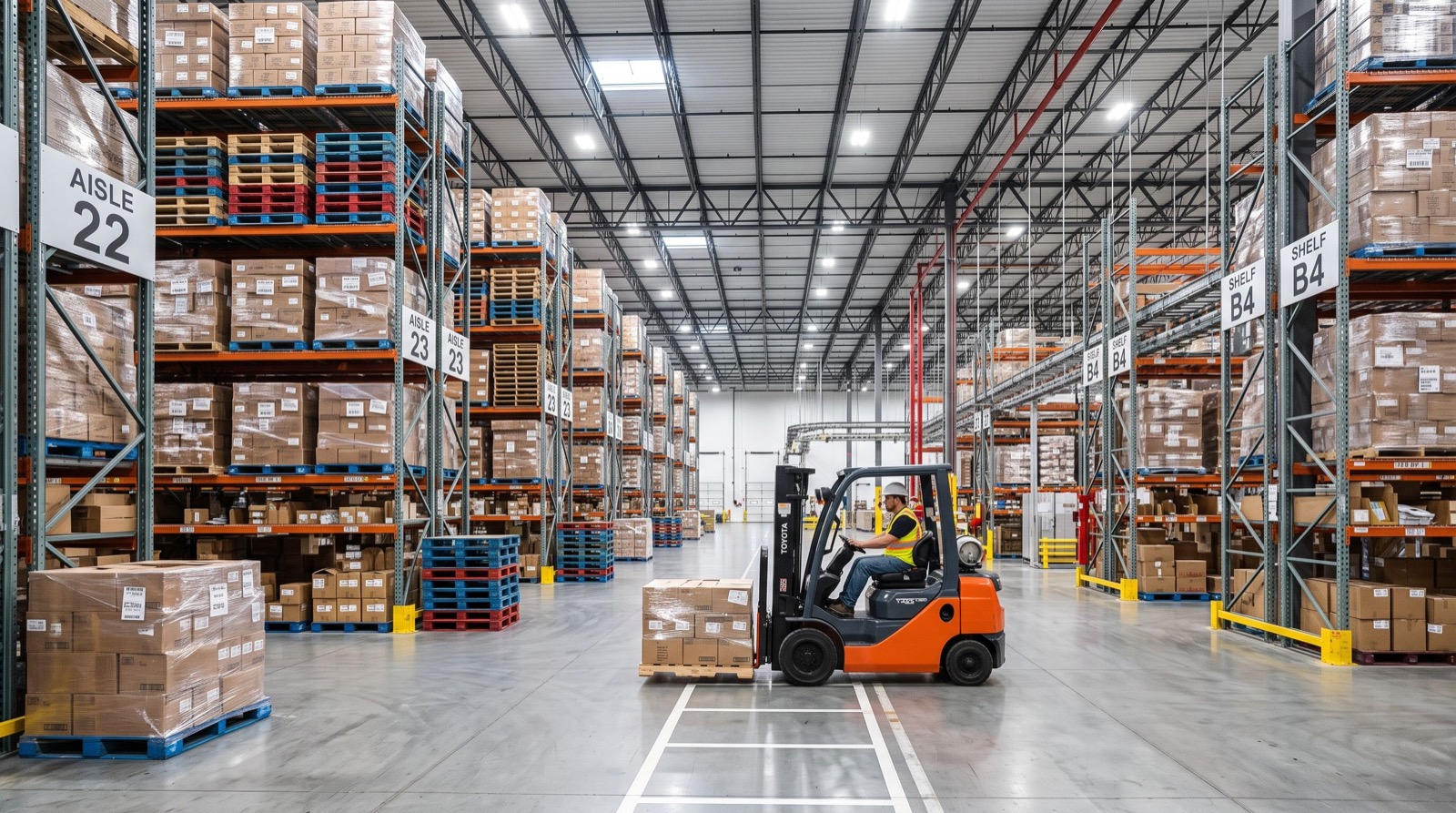
Optimise your stacking first. Proper racking lets you use vertical height instead of sprawling across the floor, so you rent less footprint for the same volume. Pallet standardisation makes this far easier and speeds up every pick.
Match your commitment to your demand. Short-term flexible space is ideal for seasonal peaks, while a longer agreement lowers the unit rate for your steady baseline stock. Many Jeddah businesses blend the two to stay nimble without overpaying.
Consolidate shipments where you can. Receiving fewer, larger deliveries reduces handling fees and dwell time, and it gives you better leverage on bulk purchasing. The savings often outweigh the extra space the bulk stock temporarily occupies.
Finally, use real-time inventory data to avoid dead stock. The most expensive pallet is the one you forgot you were paying to store. Regular reporting keeps slow movers visible so you can clear them before they eat your margin in 2026.
Who Needs Dry Storage in Jeddah the Most?
Dry storage serves a broad range of sectors, but a few feel the benefit acutely. Importers clearing goods at the port need staging space. E-commerce brands need overflow for fast-moving stock. Manufacturers need a buffer for raw materials and finished goods.
Each of these benefits from working with an experienced local team that understands coastal conditions and can tailor the space to the cargo. Local knowledge turns a generic warehouse into a genuine competitive advantage.
Industry standards matter here too. Guidance from bodies such as the Global Cold Chain Alliance and material-handling principles documented by OSHA underpin how safe, efficient warehouses are run. Providers who follow them tend to run tighter, safer operations.
Frequently Asked Questions
What is the ideal humidity level for dry storage?
Most dry goods do best below 60% relative humidity. In Jeddah’s coastal climate, active dehumidification is usually needed to hold that level consistently through summer.
Can electronics be kept in dry storage?
Yes, and they often should be. Electronics are highly sensitive to moisture and corrosion, so a controlled-humidity dry environment protects circuit boards and connectors far better than an uncontrolled room.
How is dry storage priced?
Pricing typically reflects the space used (per pallet or cubic metre), the length of stay, and any value-added services like inventory management. Bulk and long-term commitments usually lower the unit cost.
Do I need dry or ambient storage for packaged food?
It depends on the product. Shelf-stable dry goods suit dry storage, while heat-sensitive packaged items benefit from the steadier temperature of ambient storage. Many businesses split their inventory across both.
Conclusion
In a humid port city, the right dry storage in Jeddah is not a cost centre; it is insurance against spoilage, corrosion, and lost sales. Treat humidity as a managed variable, vet facilities against the seven factors above, and match each product to the environment it truly needs. The payoff is cleaner inventory and healthier margins all year.
Thinking about your 2026 storage strategy? Audit your inventory, list your humidity-sensitive goods, and speak with a local specialist who can design a facility plan around your cargo. The right space, chosen now, protects every shipment that follows.