Money Apps in 2026: How Smart Tools Are Reshaping Everyday Finance
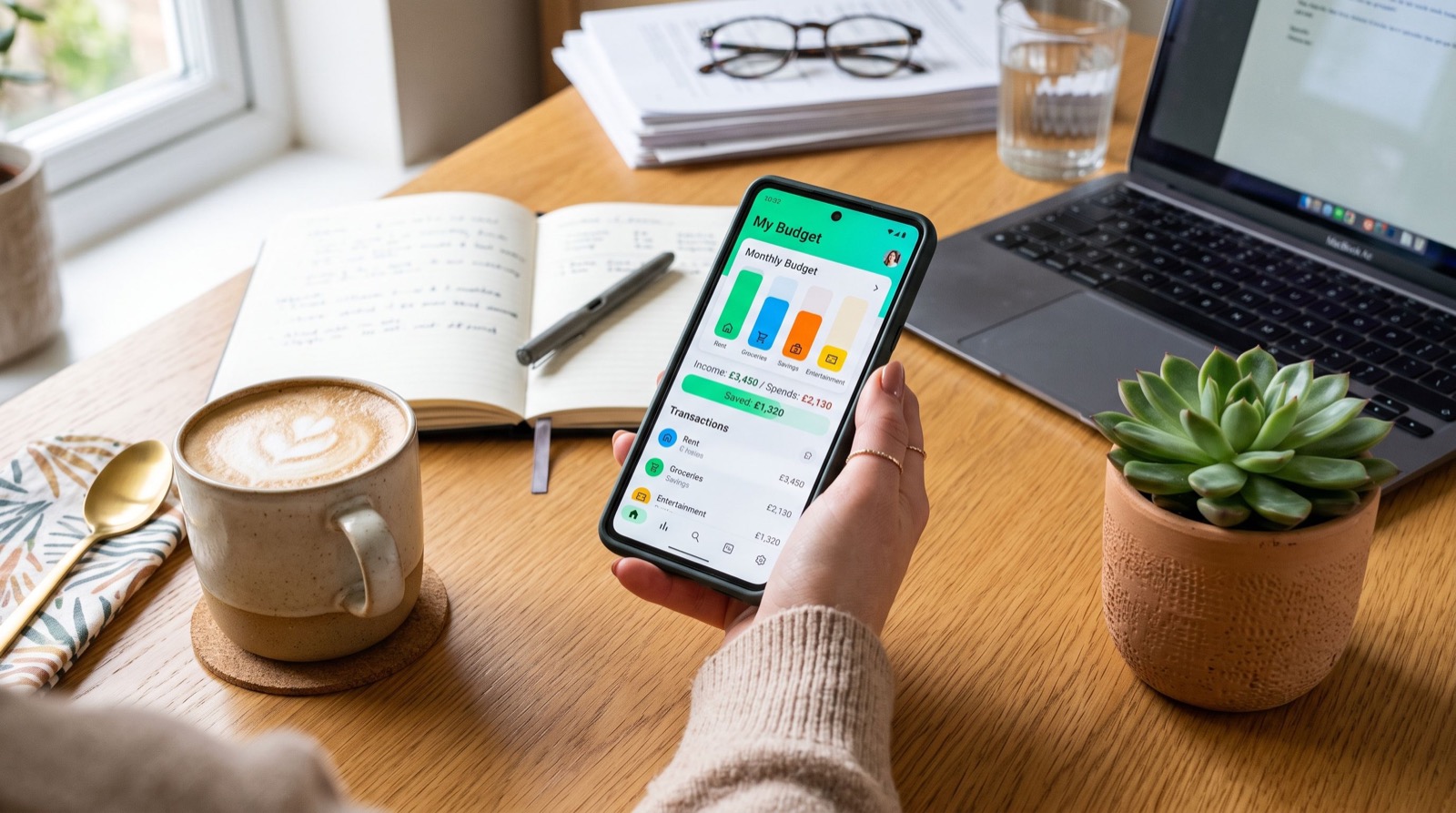
Money apps have quietly become the most-used financial tool in most households. In 2026, the average smartphone owner juggles budgeting, saving, investing, and peer-to-peer payments from a single pocket-sized screen. If you have ever split a dinner bill, rounded up spare change into savings, or checked your net worth while waiting for coffee, you already understand why these tools matter.
This guide breaks down how modern money apps work, which categories deliver real value, and how to choose the right stack without drowning in notifications. The goal is simple: help you keep more of what you earn and make faster, calmer decisions with your cash.
Why Money Apps Matter More Than Ever
A decade ago, managing finances meant spreadsheets, paper statements, and a monthly reconciliation ritual. Today, automation does the heavy lifting. According to the Consumer Financial Protection Bureau, consumer adoption of digital financial services keeps climbing year over year, driven by convenience and real-time visibility.
That visibility is the quiet superpower. When you can see every subscription, every recurring charge, and every category of spending in one dashboard, waste becomes obvious. Money leaks that hid inside monthly bank statements now surface within seconds.
The best platforms combine several of these features into one experience. For readers who want a curated shortlist, this roundup of money apps covers tools worth testing before you commit.
The Shift From Tracking to Automating
Early apps only tracked what already happened. Modern tools act before you do. They sweep spare dollars into savings, pause overspending categories, and flag price hikes on subscriptions you forgot about. Automation removes the willpower tax that sinks most budgets.
The Main Categories of Money Apps
Not every app does the same job. Understanding the categories helps you avoid installing five tools that overlap. Here are the core groups that define personal finance in 2026.
- Budgeting apps — categorize spending, set limits, and forecast cash flow.
- Payment and transfer apps — send money to friends, family, or merchants instantly.
- Saving and round-up apps — automate deposits and build emergency funds painlessly.
- Investing apps — offer fractional shares, index funds, and retirement accounts.
- Credit and debt apps — track your score and structure payoff plans.
How the Categories Work Together
A healthy money system usually pairs one budgeting app with one payment app and one saving or investing tool. Layering more than that often creates noise. The teams building these products, much like an experienced local team refining a strategy, focus on removing friction rather than adding features.
What Makes the Best Money Apps Stand Out?
With hundreds of options in every app store, quality separates winners from clutter. When testing the best money apps, weigh the following signals before you trust them with sensitive data.
- Security architecture — bank-level encryption, two-factor authentication, and biometric login.
- Transparent fees — no hidden charges buried in fine print.
- Real-time syncing — balances update instantly, not on a next-day delay.
- Clean interface — a dashboard you actually enjoy checking.
- Responsive support — a human reachable when something breaks.
Prioritize security above flashy design. A beautiful app that mishandles your credentials is a liability, not a convenience.
Comparing Popular Money App Types
The table below summarizes how the major categories stack up on the factors that matter most to everyday users.
| App Type | Primary Job | Typical Cost | Best For |
|---|---|---|---|
| Budgeting | Track and limit spending | Free to $15/mo | Overspenders |
| Payments | Send and receive money | Free (fees on cards) | Splitting bills |
| Saving | Automate deposits | Free to $5/mo | Emergency funds |
| Investing | Grow long-term wealth | Free to 0.25% AUM | Beginners |
How Do You Choose the Right Money App?
Start with your single biggest pain point. If you never know where your paycheck goes, begin with budgeting. If you constantly owe friends, a payment app solves it faster. Chasing every feature at once guarantees burnout.
Next, test-drive before you subscribe. Most reputable apps offer free tiers or trial periods. Spend two weeks living inside the interface. Does it nudge you toward better choices, or does it just add another notification to ignore?
Red Flags to Avoid
Walk away from apps that demand excessive permissions, hide their fee schedule, or lack clear regulatory disclosures. The Federal Deposit Insurance Corporation publishes guidance on how deposit insurance applies to fintech products, and legitimate apps make that information easy to find.
Building a Simple Money App Stack
Here is a practical, low-stress setup that works for most people in 2026. It covers the essentials without overwhelming your home screen.
- One budgeting app synced to every account for a full picture.
- One payment app for splitting costs and quick transfers.
- One automated saving tool set to round up purchases.
- One investing app funded on autopilot each payday.
Review this stack once a quarter. Cancel anything you stopped opening, and consolidate features when a single app can replace two.
The Future of Money Apps in 2026 and Beyond
The next wave of money apps leans hard into personalization and prediction. Instead of showing you what already happened, they forecast what is about to happen and prompt action while it still matters. Cash-flow forecasting, bill-negotiation features, and automated tax set-asides are moving from premium extras to standard expectations.
Open banking rules continue to expand what apps can safely access, which means tighter integration between your accounts and richer insights across them. The upside is a truly unified view of your finances. The responsibility is choosing providers that treat that access with care.
Trends Worth Watching
- Predictive alerts that warn you days before a shortfall.
- Embedded investing that rounds up purchases into diversified funds.
- Subscription auditing that cancels dead-weight services for you.
- Goal-based automation that adjusts savings as your income shifts.
The practical takeaway is simple. Pick apps that grow with these trends rather than one-trick tools you will replace in a year. Longevity and consistent updates signal a provider worth trusting with your daily finances.
Frequently Asked Questions
Are money apps safe to use?
Reputable money apps use bank-level encryption, multi-factor authentication, and biometric locks. Safety depends on choosing regulated providers and enabling every security setting, including a strong, unique password and two-factor login.
Do money apps cost money?
Many offer robust free tiers. Premium features, faster transfers, or advanced analytics may carry a monthly fee or a small percentage of assets. Always read the fee schedule before linking a bank account.
How many money apps should I use?
Most people thrive with two or three: one for budgeting, one for payments, and one for saving or investing. Adding more usually creates clutter and notification fatigue rather than better results.
Can money apps improve my credit score?
Some apps track your score, report on-time payments, or structure debt payoff plans. They cannot fix credit overnight, but consistent use of their reminders and insights supports healthier long-term habits.
Final Thoughts and Next Steps
Money apps are no longer optional gadgets; they are the operating system for modern personal finance. The right tools automate the boring work, surface hidden waste, and free your attention for decisions that actually move the needle. Start small, protect your data, and let automation compound in your favor.
Ready to upgrade your setup? Explore a vetted shortlist of money apps, pick one category to fix first, and let the momentum build from there. Your future self will thank you for the head start you take in 2026.